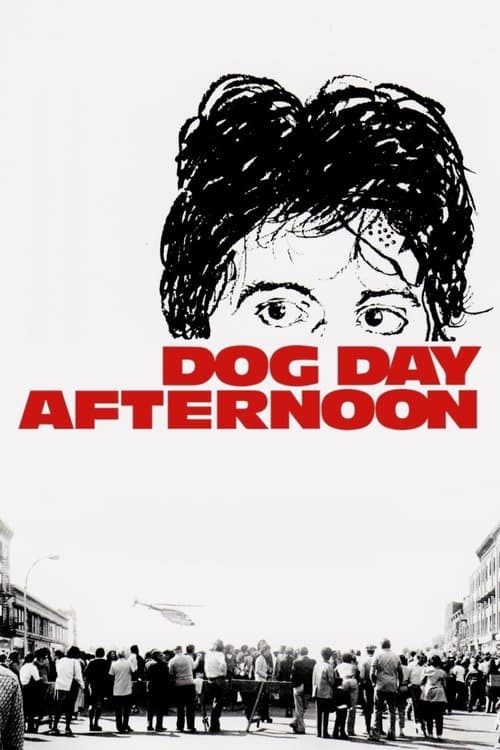
Dog Day Afternoon
Sidney Lumet · 1975
Sonny Wortzik and a nervous accomplice attempt to rob a Brooklyn bank to fund his partner's gender reassignment surgery, only for the afternoon heist to become a six-hour media circus and hostage situation. Sidney Lumet's film is a sweating, absurdist masterpiece about desperation turned spectacle.
Techniques Used
4 techniques identified in this film
Handheld Cinema Vérité
CinematographyA documentary-influenced shooting style using handheld cameras to create spontaneous, unpolished images that feel observed rather than constructed.
How this film uses it
Victor Kemper's camera moves with Sonny through the bank and out onto the street with the nervousness of a news cameraman, collapsing the distance between the film's audience and the actual crowd watching the spectacle.
Ticking Clock Structure
NarrativeA narrative framework built around an escalating deadline that compresses tension and forces characters into accelerating decisions.
How this film uses it
The film's real-time compression — the hostage situation stretching over hours of a single sweltering day — means every negotiation, phone call, and pizza delivery ratchets the stakes higher.
Naturalistic Ensemble Casting
NarrativeThe assembling of a cast whose overlapping, competing performances create the texture of a real social environment rather than a scripted one.
How this film uses it
Lumet cast both professional actors and non-actors as the bank employees and hostages, creating an ensemble whose panic and dark humor feel genuinely spontaneous rather than performed.
Direct Address
CinematographyA moment where a character looks or speaks directly into the camera lens, breaking the fourth wall and implicating the audience in the scene.
How this film uses it
Al Pacino's Sonny periodically plays to the street crowd — and by extension the camera — transforming his desperation into performance, blurring the line between criminal and entertainer.
You Might Also Like
Films that share at least one technique with Dog Day Afternoon

Sergeant First Class William James leads a bomb disposal unit through the final month of their Iraq War deployment, his reckless addiction to danger placing his team's lives at constant risk. Kathryn Bigelow's film refuses every convention of the war movie — there is no mission, no enemy, only the bomb and the man who needs it.
The Hurt Locker
Kathryn Bigelow · 2008

A perfectionist ballerina wins the lead in Swan Lake but becomes consumed by paranoia and hallucination as opening night approaches. A psychosexual horror film about the violence of perfectionism and the dissolution of identity.
Black Swan
Darren Aronofsky · 2010

An insomniac office worker and a charismatic soap salesman form an underground fight club that evolves into something far more dangerous. A critique of consumer masculinity that implicates the viewer in its protagonist's pathology.
Fight Club
David Fincher · 1999