Thriller · Drama · Mystery

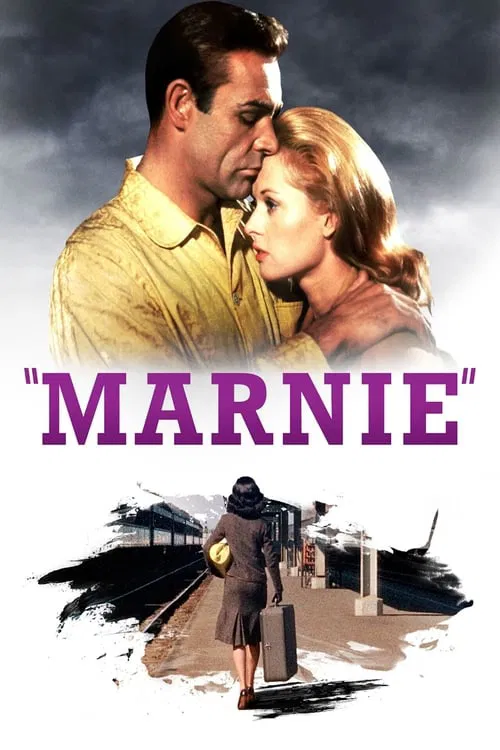
Marnie

Alfred Hitchcock, 1964

Marnie is a thief who changes names and robs her bosses. Her new boss Mark recognizes her, hires her anyway and blackmails her into marriage while trying to learn what made her this way.

Marnie (1964) poster

At a glance

Marnie is a 1964 thriller, drama and mystery film directed by Alfred Hitchcock. This breakdown covers 4 techniques (1 psychology, 1 cinematography and 2 narrative), each with the scene where you can see it. If you like how it is made, Saltburn uses several of the same techniques.

Psychology

Trauma Trigger Imagery

Repeating a specific image, color or pattern that sets off a character's buried trauma. You feel their panic before you learn what it comes from.

How this film uses it

Marnie panics during thunderstorms and when she sees red. The film shows the triggers before it explains them, so you feel her fear without knowing the reason. The cause is a childhood memory.

Where to see it

The office storm. While working weekend overtime with Mark, Marnie has a panic attack during a thunderstorm and he comforts her.
Cinematography

Color Symbolism

Giving specific colors to characters, groups or ideas and sticking to them through the film. Each time a color appears, it tells you something beyond what is shown.

How this film uses it

Red sets off Marnie's hysteria, so the color keeps returning in objects around her. It tells you something is wrong inside her before she can say it. When it comes up at the fox hunt, the result is a tragedy.

Where to see it

The fox hunt. A hunter's red riding coat triggers Marnie, her horse Forio bolts, misses a jump and is badly hurt. Marnie shoots the horse.

Narrative

Obsession as Structural Engine

Building the whole plot on one character's fixation with a person, goal or rival. Every scene ties back to it, and the obsession keeps feeding itself while it destroys them.

How this film uses it

Mark recognizes Marnie as a thief and decides to keep her instead of turning her in. He tracks her down, blackmails her into marriage and talks about his fascination with predatory animals while he studies her. The whole plot runs on his fixation.

Where to see it

The blackmail. Mark traces Marnie to the stables where she keeps Forio and threatens to expose her unless she marries him.

Narrative

Retroactive Reframing Revelation

Saving a reveal for the climax that changes the meaning of every scene before it. You have to rebuild the whole film in your head with the new knowledge.

How this film uses it

The film saves the cause of Marnie's fears for the end. When she remembers the sailor and the fireplace poker, her red fear, her fear of storms and her dislike of being touched all fall into place. You see her whole story in a new light.

Where to see it

The Baltimore visit. Mark takes Marnie to her mother's house in a thunderstorm, and Marnie remembers killing a sailor with a poker to protect her mother.

Questions

Marnie: quick answers

What filmmaking techniques does Marnie use?
CineCode breaks down 4 techniques in Marnie (1964): Trauma Trigger Imagery, Color Symbolism, Obsession as Structural Engine and Retroactive Reframing Revelation.
Who directed Marnie?
Alfred Hitchcock directed Marnie, released in 1964. CineCode also covers The 39 Steps (1935), The Lady Vanishes (1938), Rebecca (1940), Suspicion (1941), Saboteur (1942), Shadow of a Doubt (1943).
What films are similar to Marnie?
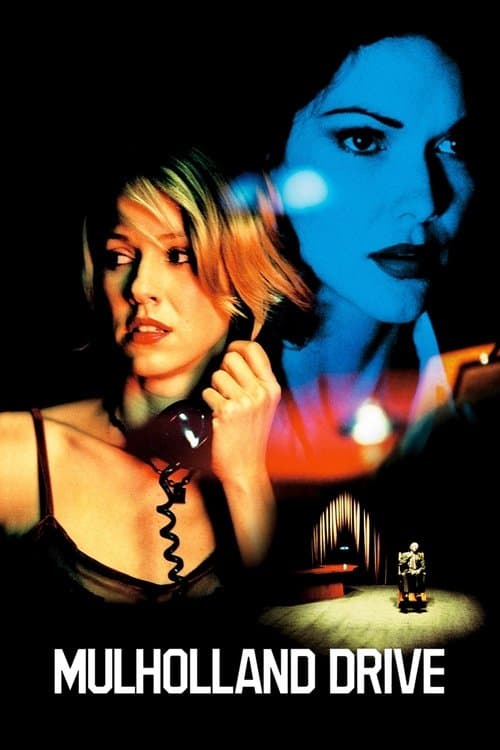
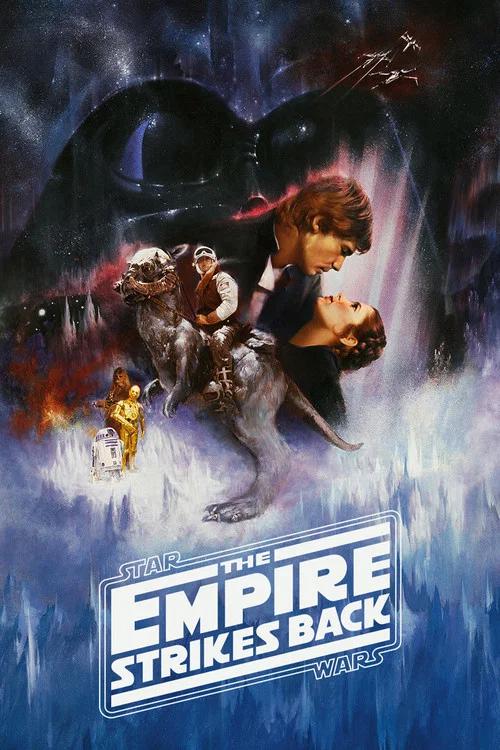
Films that share techniques with Marnie include Saltburn (2023), Three Colors: Red (1994), Mulholland Drive (2001), Star Wars: The Empire Strikes Back (1980).