Drama

The Sacrifice

Andrei Tarkovsky, 1986

On his birthday, Alexander plants a dead tree with his young son. Then news of a likely nuclear war arrives, and Alexander makes a desperate promise to God. Tarkovsky's last film is slow and spare, and its climax is a house burning in one long shot.

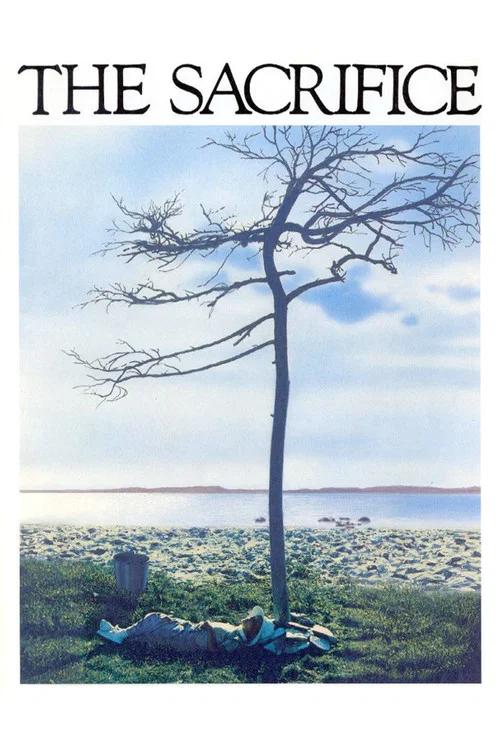
The Sacrifice (1986) poster

At a glance

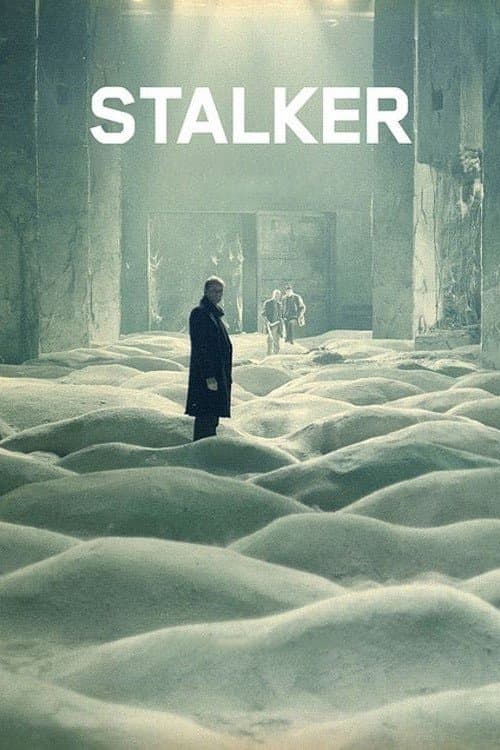
The Sacrifice is a 1986 drama film directed by Andrei Tarkovsky. This breakdown covers 4 techniques (2 narrative, 1 sound and 1 cinematography), each with the scene where you can see it. If you like how it is made, Stalker uses several of the same techniques.

Narrative

Ceremonial Pacing

Moving the film at the slow, deliberate pace of a ritual, with long takes, few cuts and unhurried camera moves. The patience builds dread and gives each step the weight of a ceremony.

How this film uses it

The film moves with long takes and few cuts, as slowly as a ritual. The party and the news broadcast feel like parts of a ceremony. The patience gives each action weight.

Where to see it

The birthday party. The guests gather, and the mood changes when a jet noise interrupts.
Narrative

Symbolic Object

Returning to the same physical object again and again until it means more than what it is. It moves the plot and also stands for the film's main ideas.

How this film uses it

The dead tree that Alexander plants with his son at the start returns at the end. It stands for faith, patience and the hope that something might grow. The film keeps coming back to it.

Where to see it

The tree planting. Alexander plants the tree with Little Man at the start of the film.

Sound

Sound as Plot Device

Making a sound, voice or call drive the story itself. A phone line, a mimicked noise or a spliced recording changes what characters do or believe.

How this film uses it

The jet noise and the news broadcast start the crisis. After that, Alexander's whole plot is built on what he heard. A sound changes what he believes and what he does.

Where to see it

The broadcast. A news report suggests a world war, and Alexander promises God he will give up everything.

Cinematography

Long Take Climax

Staging the film's biggest moment in a single long continuous shot so the action plays out in real time without cuts.

How this film uses it

Alexander sets his house on fire while his family is away, and the scene plays in a long take. The first attempt was ruined when the single camera jammed, so the crew rebuilt the house in about two weeks and shot again with two cameras. You watch the fire grow with no cut to ease the moment.

Where to see it

The burning house. Alexander sets fire to his house, while his family is away.

Questions

The Sacrifice: quick answers

What filmmaking techniques does The Sacrifice use?
CineCode breaks down 4 techniques in The Sacrifice (1986): Ceremonial Pacing, Symbolic Object, Sound as Plot Device and Long Take Climax.
Who directed The Sacrifice?
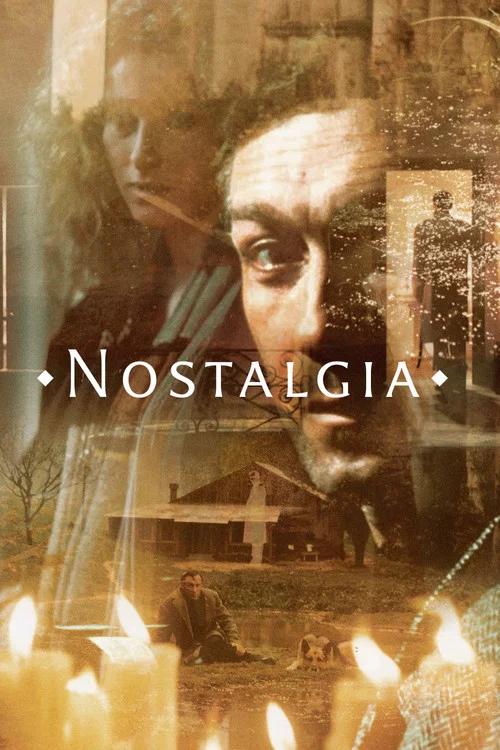
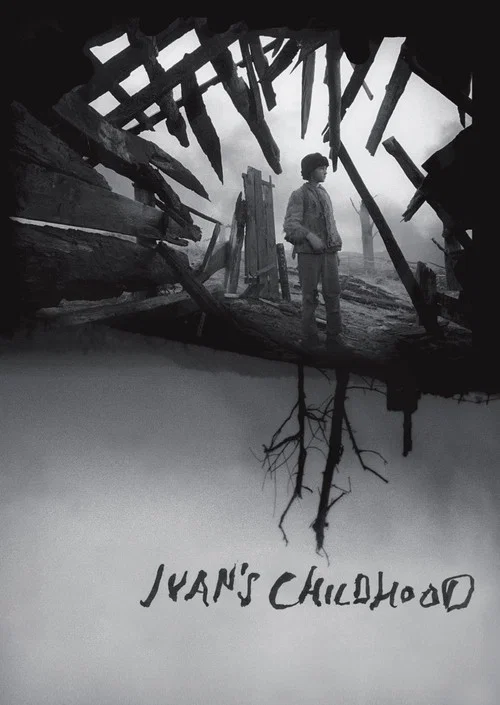
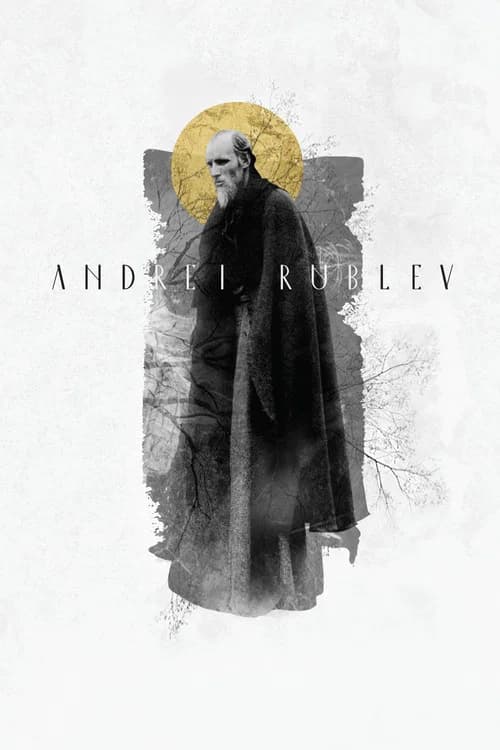
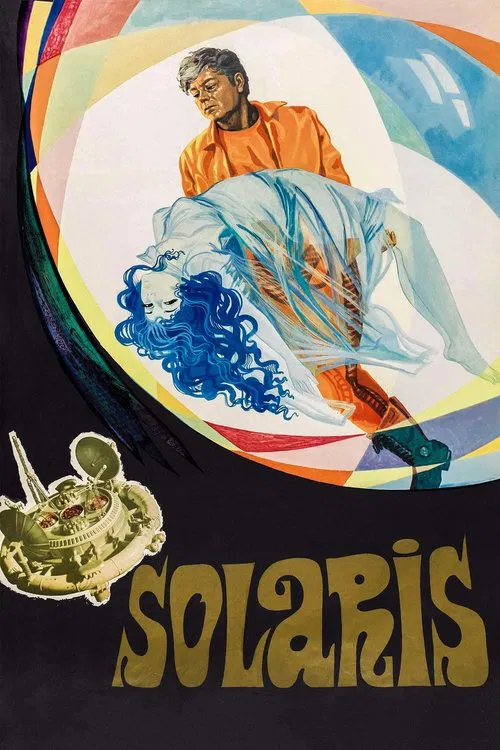
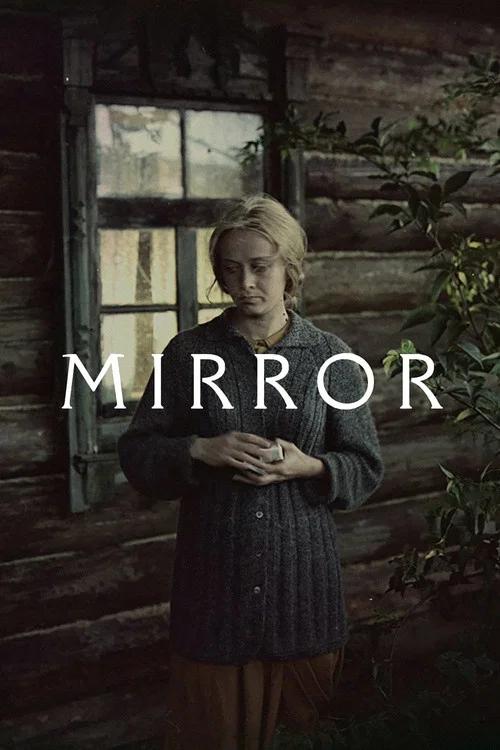
Andrei Tarkovsky directed The Sacrifice, released in 1986. CineCode also covers Ivan's Childhood (1962), Andrei Rublev (1966), Solaris (1972), Mirror (1975), Stalker (1979), Nostalgia (1983).
What films are similar to The Sacrifice?
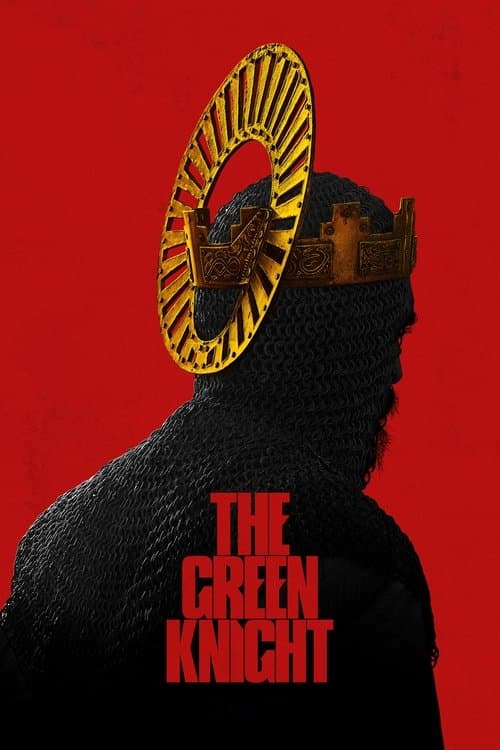
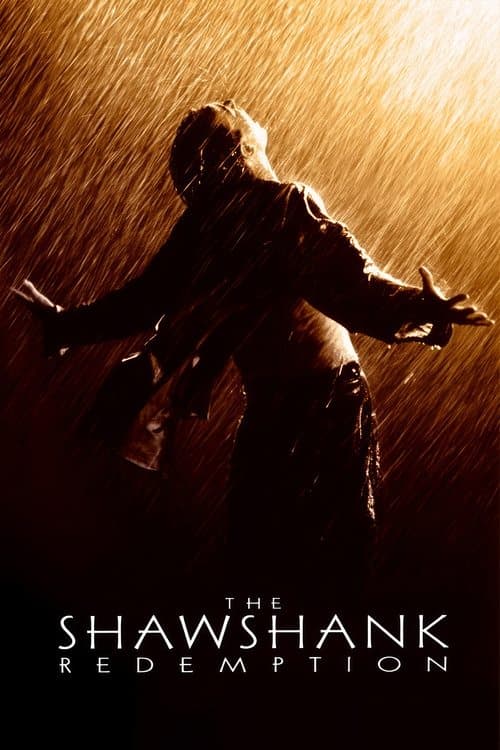
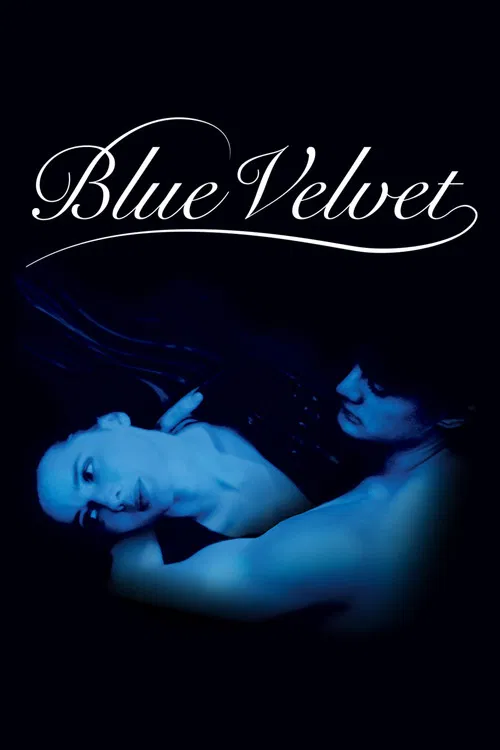
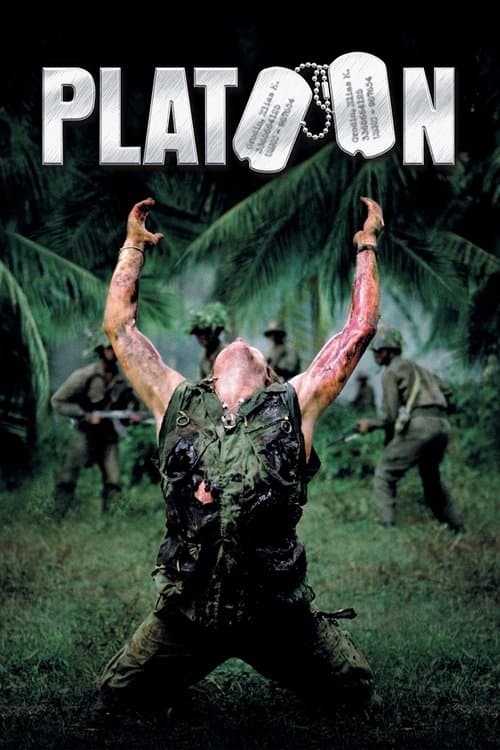
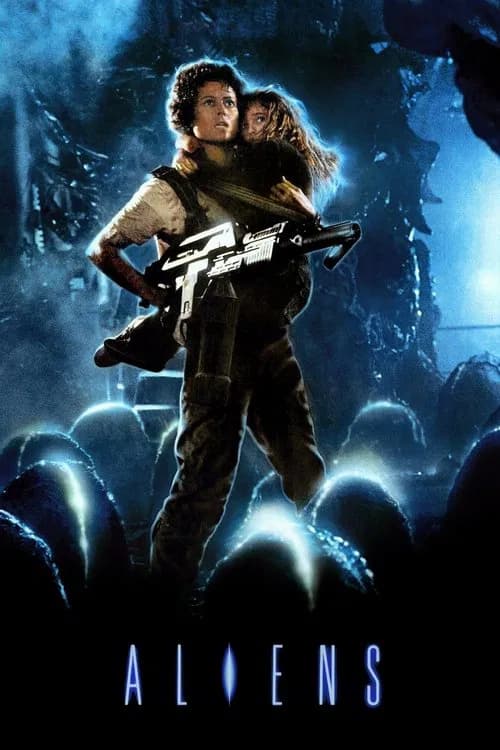
Films that share techniques with The Sacrifice include Stalker (1979), The Green Knight (2021), Nostalgia (1983), The Shawshank Redemption (1994).