Adventure · Drama · Biography

Dersu Uzala

Akira Kurosawa, 1975

A Russian army captain mapping the wild Far East meets Dersu, an old hunter who reads the forest like a book. Over 2 expeditions they become close friends, until age and the modern world catch up with Dersu. Kurosawa shot it in the Soviet Union on 70mm film. Watch how small he makes the people look next to nature.

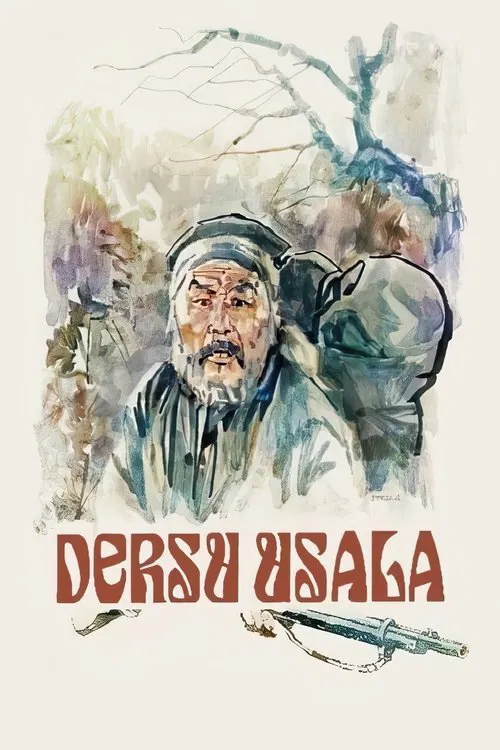
Dersu Uzala (1975) poster

At a glance

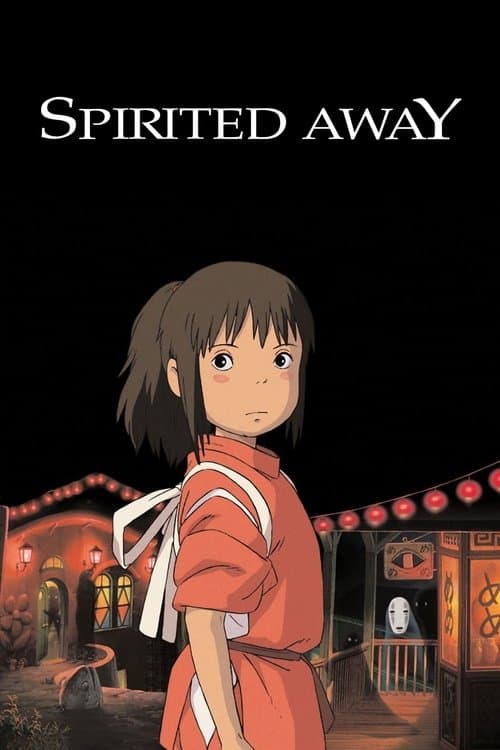
Dersu Uzala is a 1975 adventure, drama and biography film directed by Akira Kurosawa. This breakdown covers 5 techniques (3 narrative, 1 cinematography and 1 editing), each with the scene where you can see it. If you like how it is made, Spirited Away uses several of the same techniques.

Narrative

Proleptic Opening

Starting the film by showing or telling you how it ends, such as the main character's death or defeat. The rest of the story then explains how things got there.

How this film uses it

The film starts in 1910 with Captain Arsenyev looking for Dersu's grave. The trees around it have been cut down for new settlements, and he can't find it. So every adventure that follows comes with the knowledge that his friend is gone.

Where to see it

The opening. Arsenyev searches a cleared stretch of land for the grave and finds only stumps and new houses.
Cinematography

Human Figure in Vast Landscape

Framing people as tiny specks in an enormous wide shot. The size gap shows how little one person's will counts against the forces of nature, geography or history.

How this film uses it

Kurosawa keeps the 2 men small inside huge plains and forests. At Lake Khanka, he frames them between a setting sun and a rising moon. Next to that, they look like specks.

Where to see it

Lake Khanka. Dersu and Arsenyev stand on the open plain with the sun on one side of the sky and the moon on the other, just before the blizzard hits.

Narrative

Ecological Animism

Treating nature as alive and aware, with its own will, hierarchy and sacred status. Animals and spirits respond to people, which argues that the natural world has value of its own.

How this film uses it

Dersu treats the forest as full of living beings with their own rights. He believes the tiger is sent by Kanga, the spirit of the forest. After he shoots one, his fear changes him for the rest of the film.

Where to see it

The tiger. Dersu begs a stalking tiger to leave them alone, then shoots it, and he is sure the forest will punish him.

Narrative

Fish-Out-of-Water Comedy

Dropping a character into a world whose social rules they don't understand. The comedy, and some insight too, comes from the constant mismatch between them and everyone around them.

How this film uses it

When Dersu's eyesight fails, Arsenyev takes him to live in the city. The rules of town life make no sense to a man who has always lived in the taiga. The mismatch is gentle and a little funny, and it's also heartbreaking.

Where to see it

Dersu in Khabarovsk. He feels caged in Arsenyev's house, and he finally tells the family he has to go back to the mountains.

Editing

Silent Observation Pacing

Holding on quiet shots of characters watching and taking in the world around them, without cutting away. Glances, gestures and shared silence carry as much as any action.

How this film uses it

Kurosawa lets you sit with Dersu while he works, in long, patient takes. You watch him fix things and read tracks without anyone explaining it. You learn his values the same way Arsenyev does, by watching.

Where to see it

The abandoned hut. Dersu repairs the roof and leaves food and matches inside for whoever comes next, even though he will never meet them.

Questions

Dersu Uzala: quick answers

What filmmaking techniques does Dersu Uzala use?
CineCode breaks down 5 techniques in Dersu Uzala (1975): Proleptic Opening, Human Figure in Vast Landscape, Ecological Animism, Fish-Out-of-Water Comedy and Silent Observation Pacing.
Who directed Dersu Uzala?
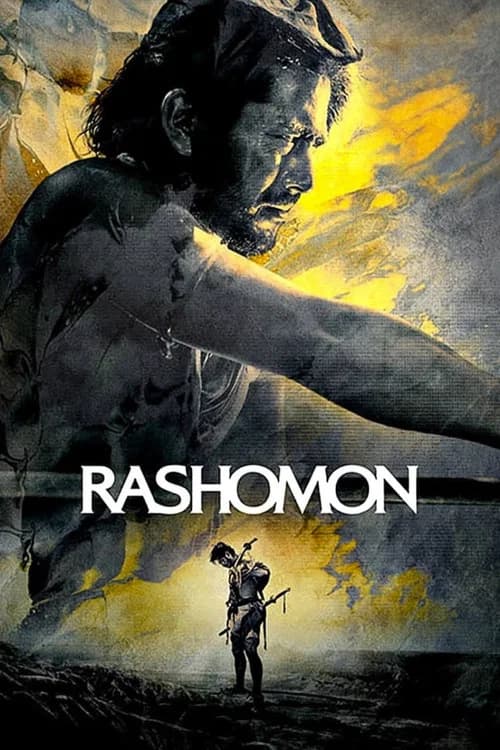
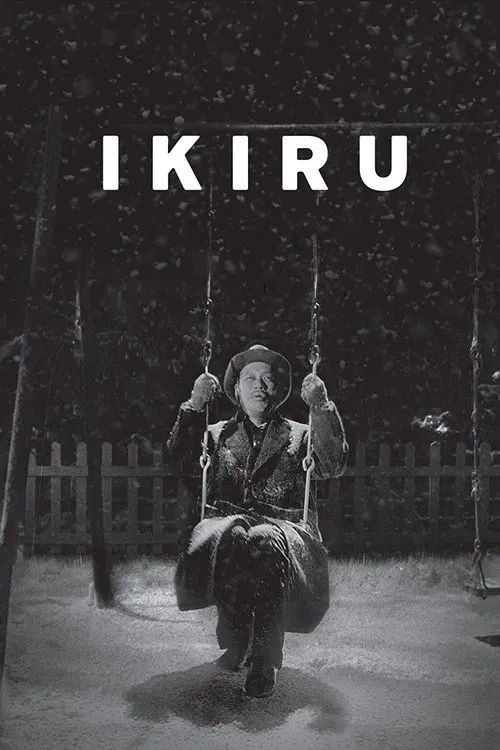
Akira Kurosawa directed Dersu Uzala, released in 1975. CineCode also covers Rashomon (1950), Ikiru (1952), Seven Samurai (1954), Throne of Blood (1957), The Hidden Fortress (1958), Yojimbo (1961).
What films are similar to Dersu Uzala?
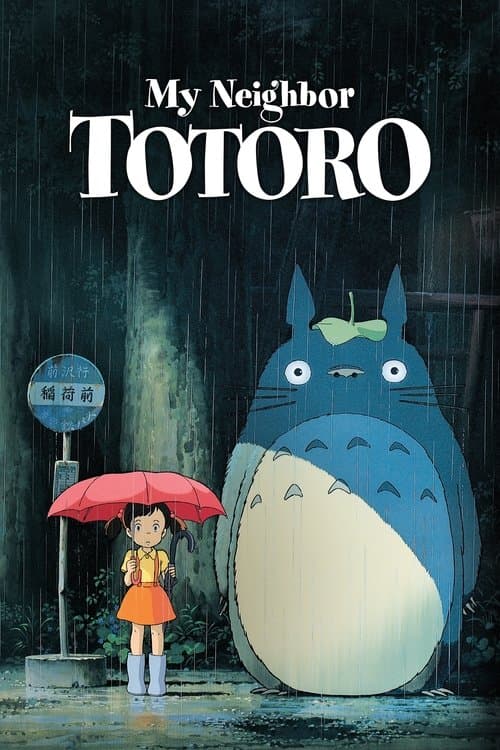
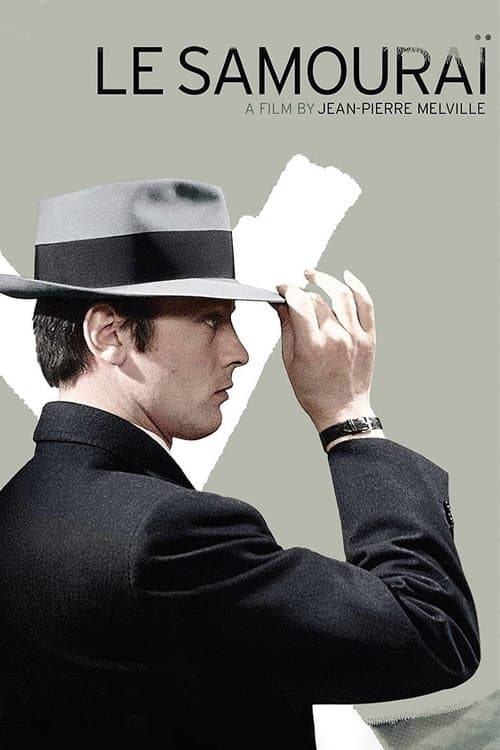
Films that share techniques with Dersu Uzala include Spirited Away (2001), Le Samourai (1967), My Neighbor Totoro (1988), Flow (2024).