Comedy · Drama

The French Dispatch

Wes Anderson, 2021

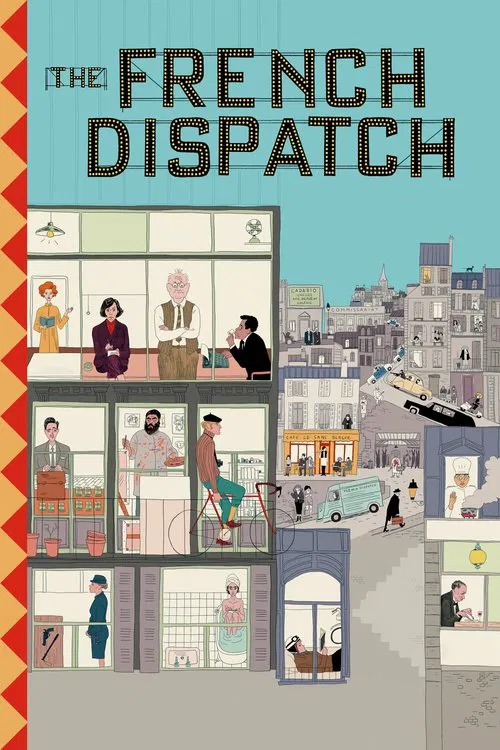
After editor Arthur Howitzer Jr. dies, the staff of an American magazine in the French town of Ennui-sur-Blasé puts together one last issue. It holds a bicycle tour, a prison painter, a student uprising and a kidnapping. Watch how Anderson swaps between black and white, color and animation.

The French Dispatch (2021) poster

At a glance

The French Dispatch is a 2021 comedy and drama film directed by Wes Anderson. This breakdown covers 4 techniques (2 narrative, 1 cinematography and 1 editing), each with the scene where you can see it. If you like how it is made, 28 Years Later: The Bone Temple uses several of the same techniques.

Narrative

Tonal Succession

Switching to a clearly different look and mood from one part to the next, either between chapters of 1 film or between a film and its sequel.

How this film uses it

Each article has its own look and mood: a cheerful city tour, a prison art story, a revolution romance and a kidnapping told as a food story. The film moves from chapter to chapter the way you turn magazine pages, and each one asks you to settle into a new feeling.

Where to see it

The four articles: Herbsaint Sazerac's bicycle tour gives way to a prison painter, a student uprising and a police commissioner's kidnapped son.
Cinematography

Isolated Color Insert

Adding 1 colored element to an otherwise black-and-white image, or a brief color sequence to a black-and-white film. The contrast pulls your eye and gives that color a lot of meaning.

How this film uses it

Anderson shot much of the film in black and white and used color as punctuation. The editor has described color as punctuation or emphasis. One reviewer points to a painting revealed in full widescreen color after long stretches of black and white.

Where to see it

The Concrete Masterpiece: Imprisoned painter Moses Rosenthaler creates frescoes in a prison hall.

Editing

Animation as Emotional Amplifier

Using animation, for a whole film or for short sequences inside live action, to make emotions hit harder. Drawn images can show inner feelings that realistic footage can't reach.

How this film uses it

The animated segments were drawn by local illustrators from Angouleme over about 7 months. One reviewer notes that the kidnapping chase turns into animation, which changes the energy of the film for the length of the chase. Drawn lines let the action be looser and wilder than the live-action frame.

Where to see it

The kidnapping chase: After police chef Nescaffier poisons the kidnappers' food, the commissioner's son escapes during a car chase.

Narrative

Retrospective Voiceover

Having a narrator tell the story from some point after it happened. The events feel like memory, and you sense early on that something will be lost.

How this film uses it

The writers tell their articles after the events happened, so the stories feel like polished memories. Roebuck Wright recounts the kidnapping as a tale he tells afterward, and the telling shapes how you see it.

Where to see it

The Private Dining Room of the Police Commissioner: Food writer Roebuck Wright tells the story of the kidnapping of the commissioner's son.

Questions

The French Dispatch: quick answers

What filmmaking techniques does The French Dispatch use?
CineCode breaks down 4 techniques in The French Dispatch (2021): Tonal Succession, Isolated Color Insert, Animation as Emotional Amplifier and Retrospective Voiceover.
Who directed The French Dispatch?
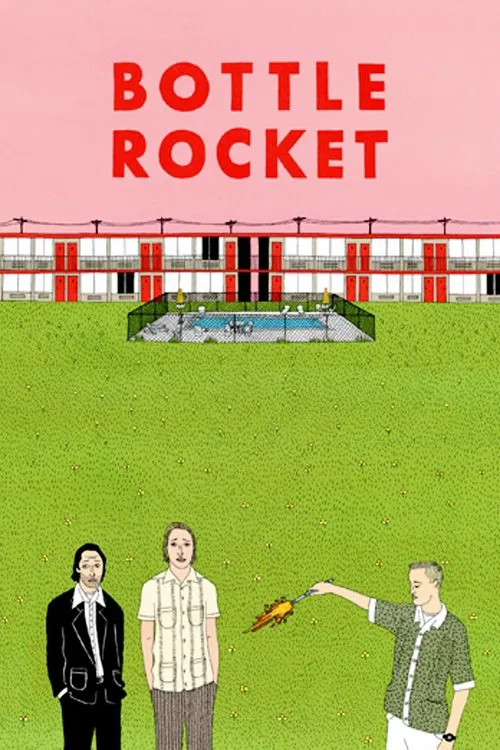
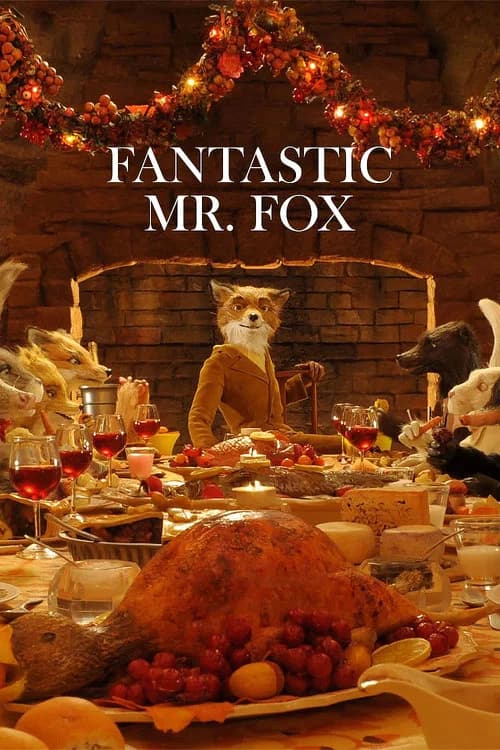
Wes Anderson directed The French Dispatch, released in 2021. CineCode also covers Bottle Rocket (1996), Rushmore (1998), The Royal Tenenbaums (2001), The Life Aquatic with Steve Zissou (2004), The Darjeeling Limited (2007), Fantastic Mr. Fox (2009).
What films are similar to The French Dispatch?
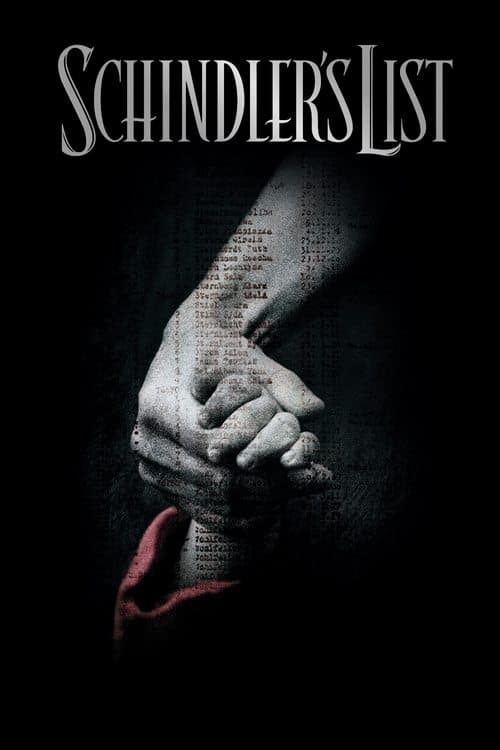
Films that share techniques with The French Dispatch include 28 Years Later: The Bone Temple (2026), The Shawshank Redemption (1994), Schindler's List (1993), Grave of the Fireflies (1988).