Adventure · Fantasy

The Hobbit: An Unexpected Journey

Peter Jackson, 2012

Bilbo Baggins, a quiet hobbit, is pulled into a quest by the wizard Gandalf and 13 dwarves who want to win back their mountain home from the dragon Smaug. Along the way Bilbo meets Gollum and finds a ring. Worth watching as a filmmaker for the first wide release shot at 48 frames per second.

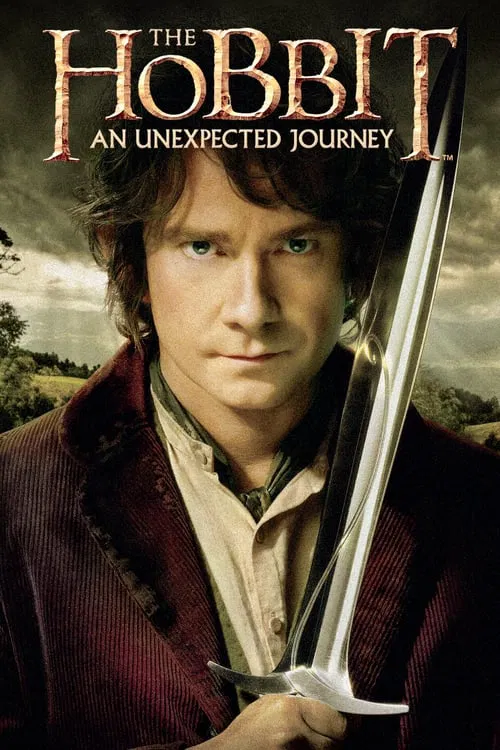
The Hobbit: An Unexpected Journey (2012) poster

At a glance

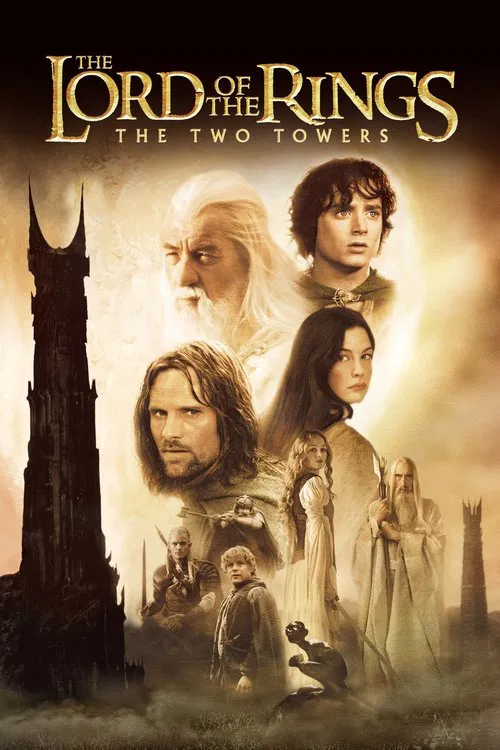
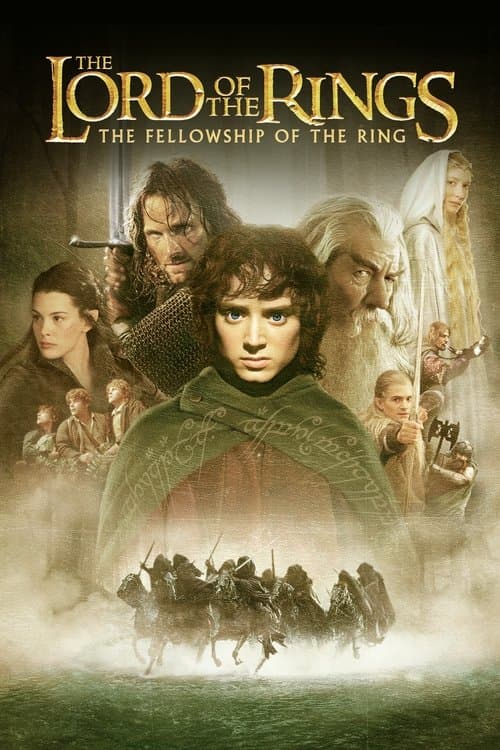
The Hobbit: An Unexpected Journey is a 2012 adventure and fantasy film directed by Peter Jackson. This breakdown covers 4 techniques (1 cinematography, 1 sound and 2 narrative), each with the scene where you can see it. If you like how it is made, The Lord of the Rings: The Fellowship of the Ring uses several of the same techniques.

Cinematography

High Frame Rate Cinematography

Shooting at many more frames per second than the usual 24, so motion looks smooth and every detail is sharp. Faces and movement feel very close and present.

How this film uses it

The film was shot at 48 frames per second, the first wide release to do so, though most cinemas showed a 24 frame version. Critic Peter Travers wrote that 48 frames with 3D made it look hyper-real. One reading is that the extra detail suits close scenes like Gollum's cave, and some viewers found it too sharp elsewhere.

Where to see it

Riddles in the Dark: Bilbo finds a ring and plays a riddle game with Gollum in a cave, with his life as the prize.
Sound

Cultural Musical Identity

Writing music with its own instruments, rhythms and melodies for each culture in the film, or drawing on a real culture's musical traditions. The score tells you about the people.

How this film uses it

The dwarves sing a slow, low song about the Misty Mountains and their lost home. It gives them a musical culture of their own. Howard Shore later builds an orchestral version of the tune into the score, so it keeps coming back as a reminder of what they want.

Where to see it

Misty Mountains song: The dwarves sing about the mountains and the home they lost.

Narrative

Elderly Frame Narrative

Framing the story as an old person's memory of events from decades ago. You know from the start how things ended, so even the happy memories carry some grief.

How this film uses it

The story begins with old Bilbo, played by Ian Holm, writing down his adventure for his nephew Frodo. Since you know he lives to old age, the story feels like a memory being told. It also ties this film to the Lord of the Rings films that follow.

Where to see it

Prologue: Old Bilbo, close to his 111th birthday, begins writing his story, and the film tells of Smaug destroying Dale.

Narrative

Monomyth Blueprint

Structuring the story on the classic hero's journey, with its call to adventure, trials, ordeal and return home. The pattern feels familiar because myths in many cultures share it.

How this film uses it

Bilbo follows the old hero's path: he is called away from home, joins a group, faces trials and gets tested. The pattern is familiar, so you can enjoy the details. Goblin Town is one of the first big trials.

Where to see it

Goblin Town: Goblins capture the dwarves and take them to the Great Goblin, and Gandalf helps them escape.

Questions

The Hobbit: An Unexpected Journey: quick answers

What filmmaking techniques does The Hobbit: An Unexpected Journey use?
CineCode breaks down 4 techniques in The Hobbit: An Unexpected Journey (2012): High Frame Rate Cinematography, Cultural Musical Identity, Elderly Frame Narrative and Monomyth Blueprint.
Who directed The Hobbit: An Unexpected Journey?
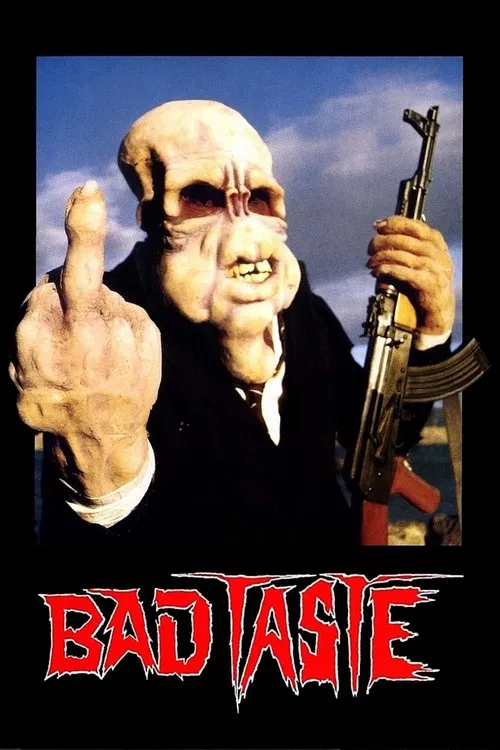
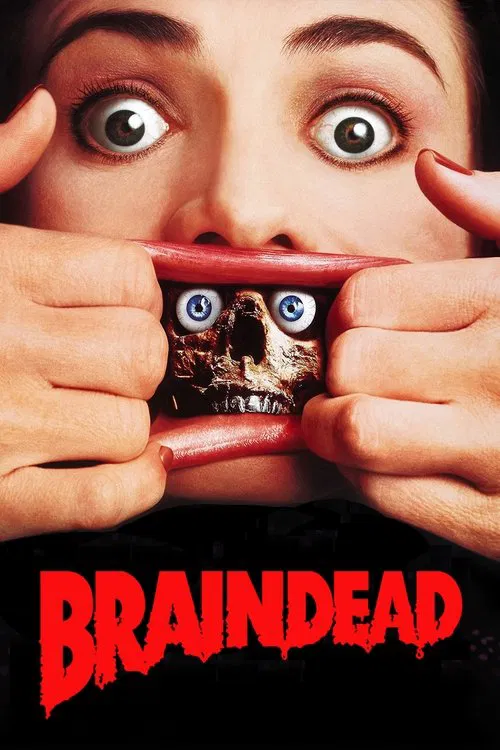
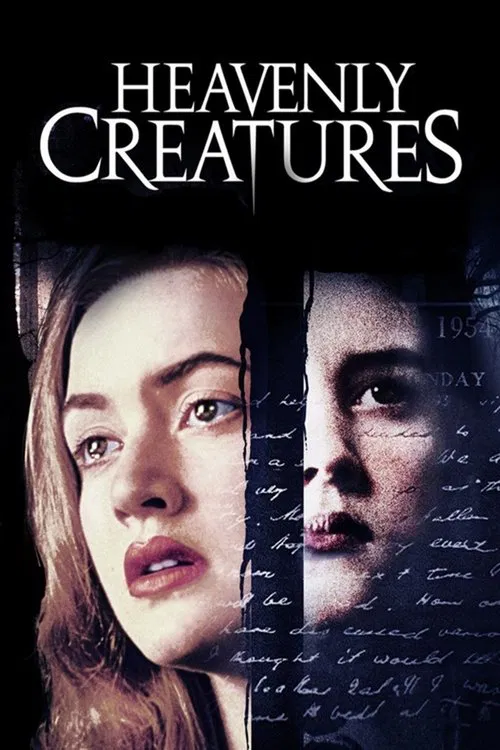
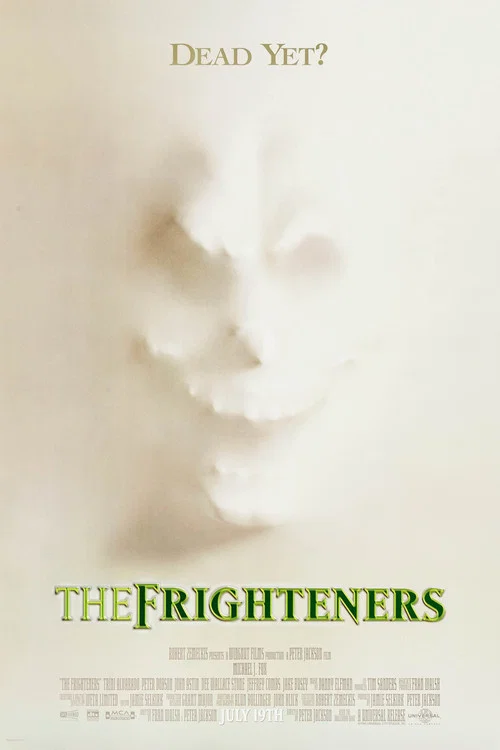
Peter Jackson directed The Hobbit: An Unexpected Journey, released in 2012. CineCode also covers Bad Taste (1987), Braindead (1992), Heavenly Creatures (1994), The Frighteners (1996), The Lord of the Rings: The Fellowship of the Ring (2001), The Lord of the Rings: The Two Towers (2002).
What films are similar to The Hobbit: An Unexpected Journey?
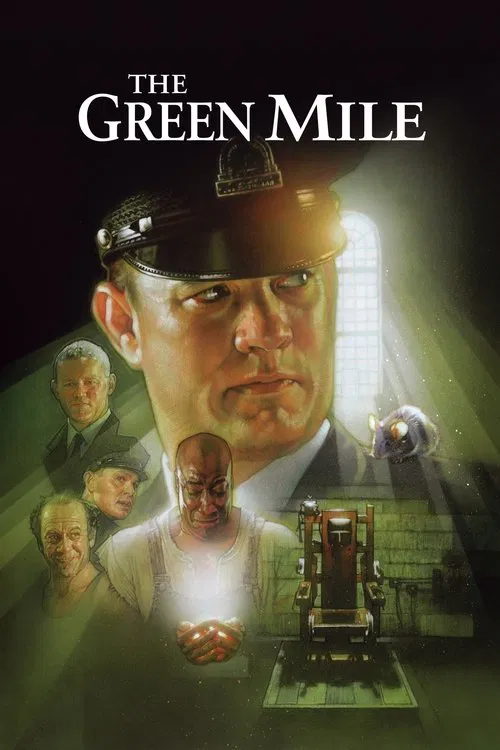
Films that share techniques with The Hobbit: An Unexpected Journey include The Lord of the Rings: The Fellowship of the Ring (2001), The Green Mile (1999), Star Wars: A New Hope (1977), Cinema Paradiso (1988).