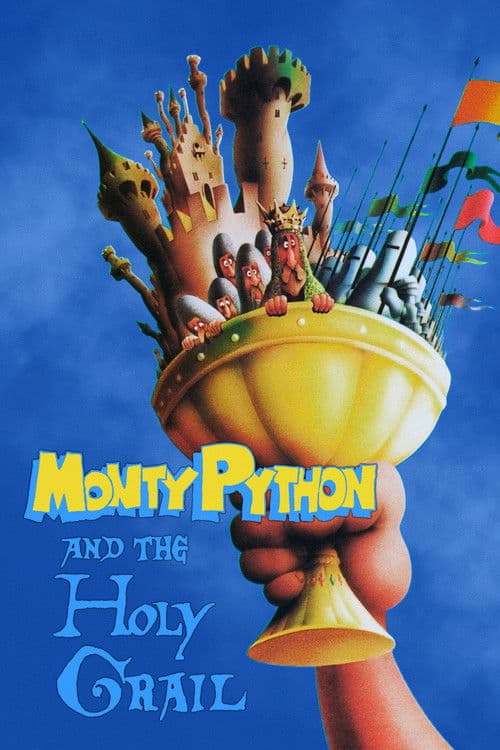
Monty Python and the Holy Grail
Terry Gilliam, Terry Jones · 1975
King Arthur and his Knights of the Round Table embark on a quest to find the Holy Grail, encountering a series of increasingly absurd obstacles, antagonists, and philosophical distractions. A film that destroys the chivalric epic by the most devastating possible method: taking it completely seriously.
Techniques Used
5 techniques identified in this film
Genre Subversion
NarrativeDeliberately establishing genre expectations only to violate them, forcing the audience to reassess what kind of story they are watching.
How this film uses it
The Pythons establish every convention of the Arthurian epic — the quest, the knights, the castle, the final battle — and dismantle each one systematically. The coconuts stand in for horses, the Black Knight refuses to acknowledge defeat, the Holy Grail is never found. Every genre promise is a setup for its own negation.
Deadpan Absurdism
NarrativeRendering extreme or violent events through flat affect, mundane dialogue, and bureaucratic procedure — creating comedy from the collision between event and response.
How this film uses it
The Pythons' method is to take medieval logic completely seriously and follow its conclusions wherever they lead. The witch trial's logic, the Black Knight's denial, the Knights Who Say Ni's demands — all are treated with earnest procedural gravity. The absurdism emerges from commitment rather than winking.
Direct Address
NarrativeA character speaking directly to the camera — collapsing the boundary between the film's fictional world and the audience's real one, making the viewer complicit in or accused by what they observe.
How this film uses it
The Pythons' characters routinely acknowledge the camera, the film's budget, and their own fictional status. The historian's murder by a knight is treated as a plot event with legal consequences in the real world. The medium's conventions are as available for subversion as the genre's.
Expectation Collapse
NarrativeSystematically establishing and then collapsing narrative expectations — so that the audience's anticipation itself becomes the mechanism of surprise.
How this film uses it
Every promised climax in the film is denied: the Black Knight fight ends in stalemate and abandonment, the Castle Anthrax resolves not in heroism but in temptation, the final battle is interrupted by police. The film's engine is the sequential disappointment of every expectation it generates.
Anachronistic Soundtrack
SoundIntroducing modern musical references, contemporary sound design, or period-inappropriate audio into a historical setting — using the anachronism as both comedy and commentary on the constructed nature of period authenticity.
How this film uses it
The Pythons undercut the Arthurian setting with jarring modern musical intrusions, coconut sound effects standing in for horses, and a constitutional theory argument that could only have been written in 1975. The anachronism is the film's formal argument: the medieval is always a construction of the present.
You Might Also Like
Films that share at least one technique with Monty Python and the Holy Grail
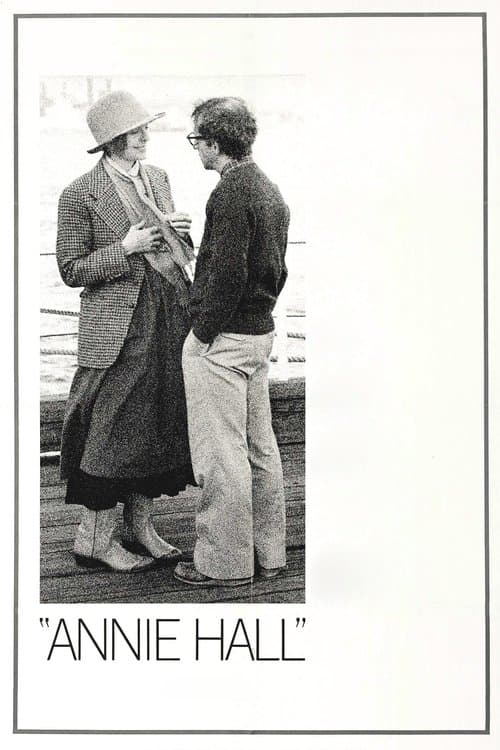
A neurotic New York comedian attempts to understand why his relationship with Annie Hall ended by examining the relationship itself — talking directly to the audience, disrupting time, and refusing the conventions of romantic comedy. The film that made the breakup movie serious.
Annie Hall
Woody Allen · 1977
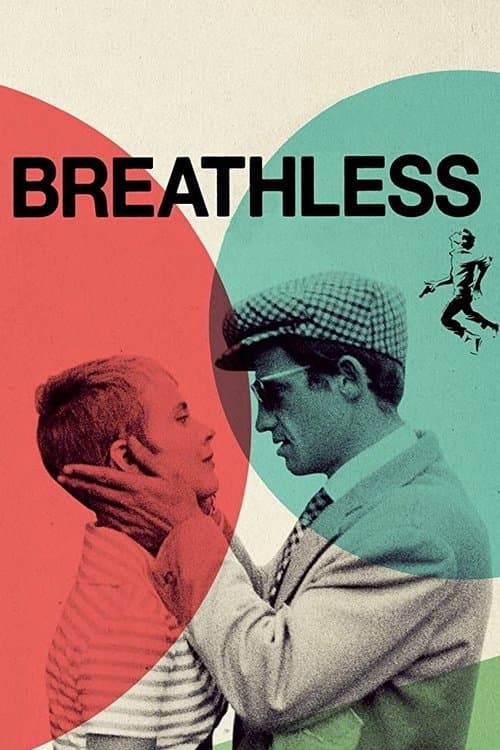
A small-time car thief kills a policeman and hides in Paris with an American student he wants to persuade to run to Italy with him. Godard's debut invented the French New Wave's formal vocabulary and remains the most influential film of the 1960s.
Breathless
Jean-Luc Godard · 1960

A poverty-stricken family schemes their way into the lives of a wealthy household, until a shocking discovery upends everything. A darkly comic thriller that dissects class inequality through meticulous mise-en-scène.
Parasite
Bong Joon-ho · 2019