Science Fiction · Adventure · Drama

The Martian

Ridley Scott, 2015

An astronaut is left for dead on Mars and has to grow food, make water and find a way to talk to Earth. NASA, his crew and even China join a rescue plan. It is a science problem told as an adventure. Watch how Scott keeps a lonely survival story funny, fast and clear.

The Martian (2015) poster

At a glance

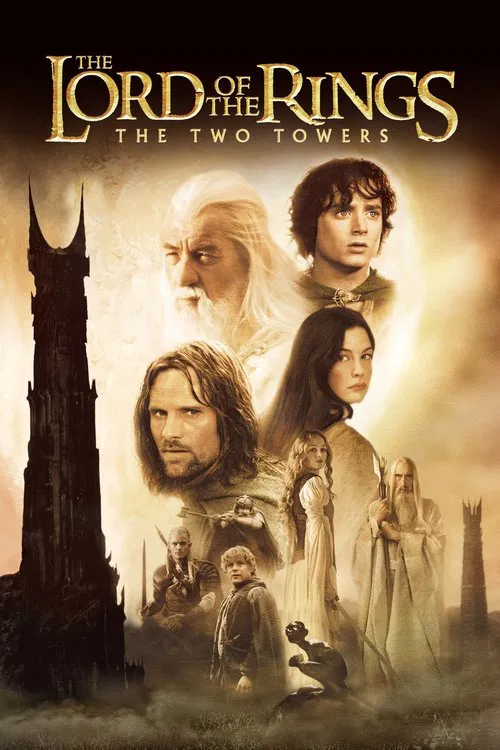
The Martian is a 2015 science fiction, adventure and drama film directed by Ridley Scott. This breakdown covers 4 techniques (1 cinematography, 1 narrative, 1 editing and 1 sound), each with the scene where you can see it. If you like how it is made, The Lord of the Rings: The Two Towers uses several of the same techniques.

Cinematography

Hard Science Fiction Aesthetics

Designing a science fiction world around real science and believable extensions of today's technology and cities. The physics creates the drama, and the future feels connected to the present.

How this film uses it

NASA advised the production, answering hundreds of questions about habitats, radioisotope systems and how mission control looks. Watney's way of making water is chemically accurate and theoretically possible. The rescue plan relies on a real gravity assist. The drama comes from real limits like food, power and distance.

Where to see it

Surviving in the Hab: left alone, Watney grows potatoes using the crew's waste and Martian soil, and makes water from leftover rocket fuel.
Narrative

Comedy Under Duress

Putting jokes and comic performance inside dangerous or desperate situations. The humor works as a way of resisting, and you never forget what the characters are laughing through.

How this film uses it

Watney jokes through his video logs while he is starving and alone. Author Andy Weir wrote him as someone who is not lonely and depressed, and the film keeps his humor. Scott still shows the isolation through the dust and distance. The jokes are how Watney keeps going.

Where to see it

The video diary: after waking alone in the Hab, Watney begins a video diary to record his thoughts on survival.

Editing

Three-Thread Parallel Cutting

Cutting between 3 or more storylines happening at the same time in different places. The pattern draws out shared themes and usually builds to a single combined climax.

How this film uses it

The film cuts between 3 places at once: Watney on Mars, NASA and JPL on Earth, and the Hermes crew in space. The Earth scenes are crowded and busy, which sets off the empty dust of Mars. The 3 threads join in the final rescue.

Where to see it

The rescue attempt: Lewis blows open part of the Hermes to slow it, then flies out on a tether, and Watney punctures his suit to propel himself toward her.

Sound

Pop Music Needle Drop

Playing an existing popular song at a precise moment in the film. The song's lyrics, era and associations add irony, period feel or emotion that an original score could not.

How this film uses it

Commander Lewis left behind a collection of 1970s songs, mostly disco, which is the only music Watney has. It turns into a running gag. The songs include Donna Summer's "Hot Stuff," ABBA's "Waterloo" and David Bowie's "Starman." "I Will Survive" plays over the closing credits as a comment on his situation.

Where to see it

Watney's days in the Hab: Watney listens to Lewis's disco collection, the only music he has on Mars.

Questions

The Martian: quick answers

What filmmaking techniques does The Martian use?
CineCode breaks down 4 techniques in The Martian (2015): Hard Science Fiction Aesthetics, Comedy Under Duress, Three-Thread Parallel Cutting and Pop Music Needle Drop.
Who directed The Martian?
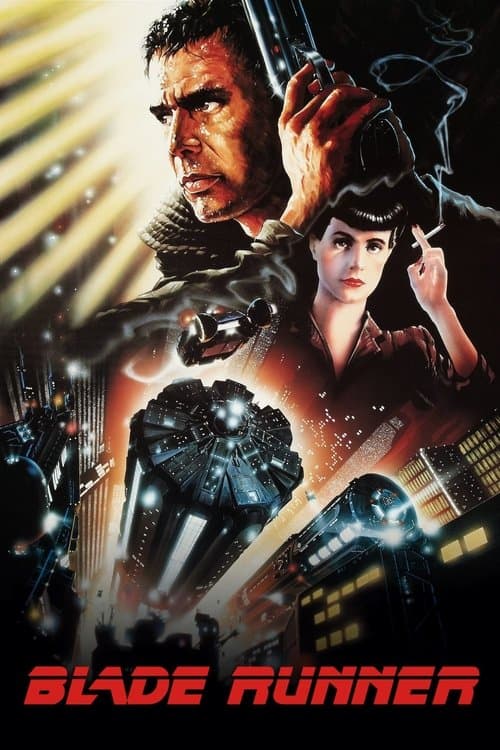
Ridley Scott directed The Martian, released in 2015. CineCode also covers The Duellists (1977), Alien (1979), Blade Runner (1982), Legend (1985), Black Rain (1989), Thelma & Louise (1991).
What films are similar to The Martian?
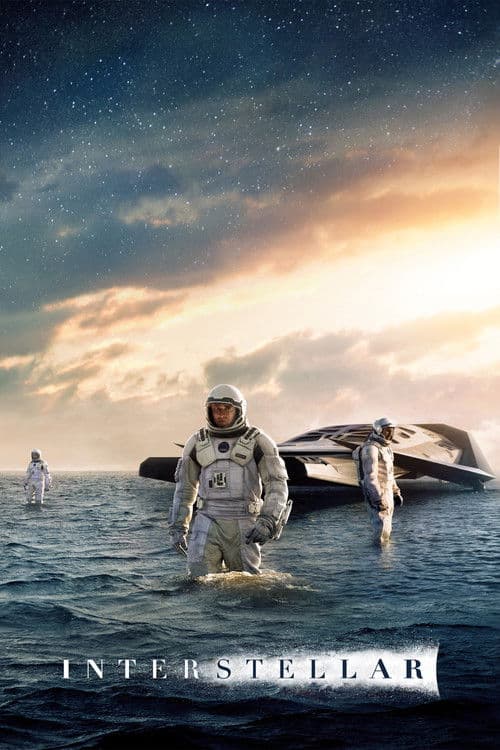
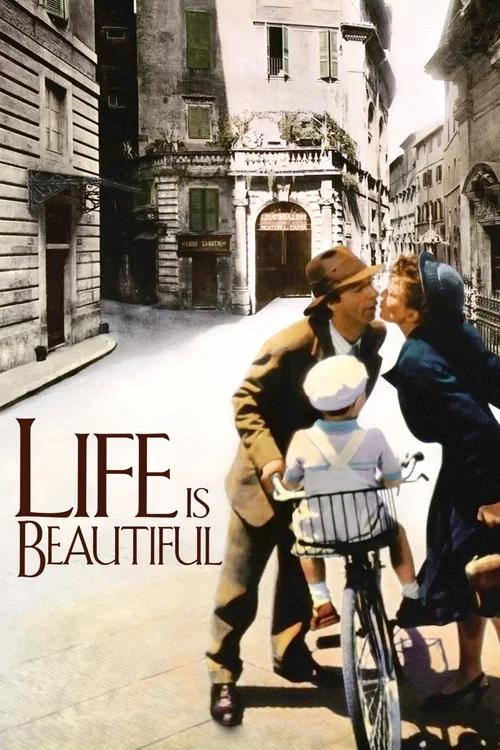
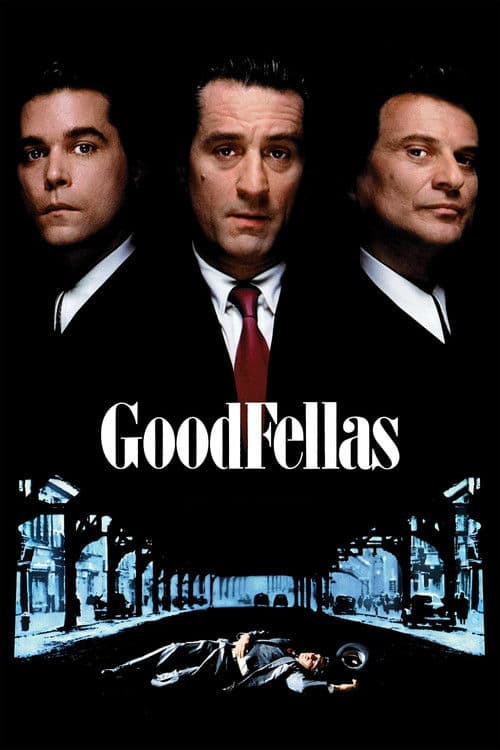
Films that share techniques with The Martian include The Lord of the Rings: The Two Towers (2002), Goodfellas (1990), Interstellar (2014), Life is Beautiful (1997).