Science Fiction · Drama · Comedy

The Zero Theorem

Terry Gilliam, 2013

In a garish near future, reclusive programmer Qohen Leth lives in a burned-out church and waits for a phone call he believes will explain his life. His company hands him the Zero Theorem, a formula said to wear down anyone who tries to solve it. Watch how Gilliam sets a loud, crowded city against one gloomy room.

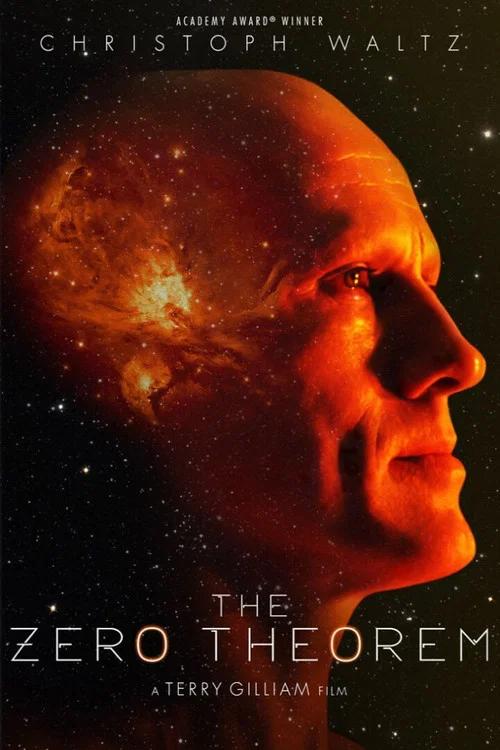
The Zero Theorem (2013) poster

At a glance

The Zero Theorem is a 2013 science fiction, drama and comedy film directed by Terry Gilliam. This breakdown covers 4 techniques (2 narrative, 1 cinematography and 1 psychology), each with the scene where you can see it. If you like how it is made, Brazil uses several of the same techniques.

Narrative

Environmental Satire

Mocking a specific world, such as an industry, an institution or consumer culture, by exaggerating what is already there. A sci-fi future built from present trends can do this with no direct argument.

How this film uses it

Qohen works for Mancom, a company that has him crunch "entities" in a noisy office. The streets are bright, crowded and polluted. Gilliam exaggerates modern work and city life until both look absurd.

Where to see it

The office and the street. Qohen leaves his quiet home to travel through bright, crowded, polluted streets to a noisy desk.


Cinematography

Production Design as Psychological Space

Designing the sets to reflect what is going on inside a character. The place they live in tells you things about them that the dialogue doesn't.

How this film uses it

Qohen lives in a fire-damaged church, a dark and quiet place that matches his wish to hide. The contrast with the loud city shows how much he fears the world outside. His home tells you who he is before he speaks.

Where to see it

The church. Qohen retreats there from the city and refuses to leave it for work.

Psychology

Isolation-Induced Breakdown

Cutting a character off from others, whether by space, confinement or mission, and showing the mind coming apart. Without outside contact, their grip on reality slips.

How this film uses it

Management lets Qohen work from home on the Zero Theorem. He spends months locked inside and becomes more deranged as the entities "refuse to remain crunched". With nobody to check him, his hold on reality slips.

Where to see it

Months at home with the formula. Qohen works alone on the theorem while Mancom demands more processed data.

Narrative

Waiting as Structural Engine

Making a character wait for a message or an answer that may never come, so their whole life revolves around an absence.

How this film uses it

Qohen has waited for years for a mysterious phone call he believes will tell him why he exists. He fears leaving home in case he misses it. The wait shapes his job, his home and every choice he makes.

Where to see it

Qohen's request to Management. At a party, he asks to work from home so he will not miss the call that he hopes will give his life a purpose.

Questions

The Zero Theorem: quick answers

What filmmaking techniques does The Zero Theorem use?
CineCode breaks down 4 techniques in The Zero Theorem (2013): Environmental Satire, Production Design as Psychological Space, Isolation-Induced Breakdown and Waiting as Structural Engine.
Who directed The Zero Theorem?
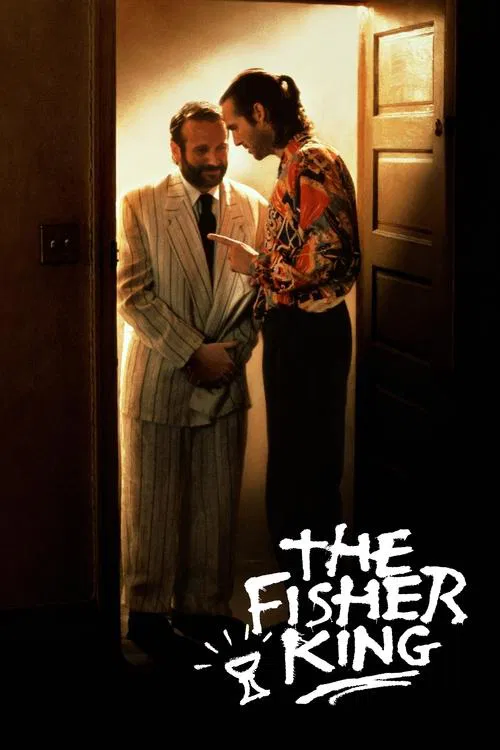
Terry Gilliam directed The Zero Theorem, released in 2013. CineCode also covers Monty Python and the Holy Grail (1975), Time Bandits (1981), Brazil (1985), The Fisher King (1991), Twelve Monkeys (1995), Fear and Loathing in Las Vegas (1998).
What films are similar to The Zero Theorem?
Films that share techniques with The Zero Theorem include Brazil (1985), Time Bandits (1981), Digger (2026), Velvet Buzzsaw (2019).