Drama · Thriller

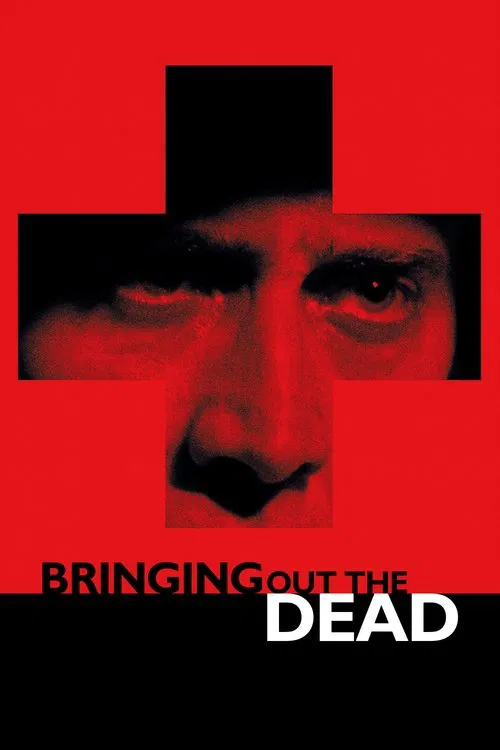
Bringing Out the Dead

Martin Scorsese, 1999

Over 48 hours in Hell's Kitchen, burned-out paramedic Frank Pierce rides with 3 different partners and sees the ghost of a girl he could not save. Paul Schrader wrote it from Joe Connelly's novel. Worth watching for how Scorsese makes a night shift feel like a fever.

Bringing Out the Dead (1999) poster

At a glance

Bringing Out the Dead is a 1999 drama and thriller film directed by Martin Scorsese. This breakdown covers 4 techniques (1 psychology, 2 narrative and 1 cinematography), each with the scene where you can see it. If you like how it is made, Inception uses several of the same techniques.

Psychology

Unreliable Reality

Keeping it unclear what is real and what is imagined in the film's world. You end up as unsure as the main character.

How this film uses it

Frank sees Rose, a girl he lost, and faces of the dead on the street. After taking pills at a drug den, his visions get worse. You cannot always say what he sees and what he imagines.

Where to see it

Rose's ghost: Frank blames himself for her death and sees her again and again.
Narrative

Earned Catharsis

Building up to a big emotional release slowly, by investing in the characters and giving small bits of hope. When the release comes, it feels deserved after all the suffering.

How this film uses it

The film is full of failed calls until Frank saves a man. Then he helps Mr. Burke die and hears Rose forgive him. The relief feels earned, after so many nights of nothing.

Where to see it

The ending: at Burke's bedside Frank takes off the breathing apparatus, then Rose's ghost forgives him as he falls asleep next to Mary.

Narrative

Repeating Encounter Structure

Staging the same kind of confrontation again and again with different counterparts, so each encounter reveals a new side of the protagonist.

How this film uses it

Frank has Larry on the first night, the religious Marcus on the second and the violent Tom Wolls on the third. Each one reacts differently to the work. Frank ends up between them.

Where to see it

Night three with Tom: Frank agrees to help Tom chase down Noel, then stops Tom from beating him.

Cinematography

Rigged Camera Placement

Mounting the camera on a body, vehicle or inside an object so it travels with the subject. The attached view puts you inside the ride or the container.

How this film uses it

Cinematographer Robert Richardson used cameras mounted on the ambulance, and reviewers note the speeded-up motion. One long crane shot starts low behind the ambulance and rises over it. The streets rush by like a fever.

Where to see it

An ambulance run: the camera rides on the ambulance as it speeds through Manhattan at night.

Questions

Bringing Out the Dead: quick answers

What filmmaking techniques does Bringing Out the Dead use?
CineCode breaks down 4 techniques in Bringing Out the Dead (1999): Unreliable Reality, Earned Catharsis, Repeating Encounter Structure and Rigged Camera Placement.
Who directed Bringing Out the Dead?
Martin Scorsese directed Bringing Out the Dead, released in 1999. CineCode also covers Mean Streets (1973), Alice Doesn't Live Here Anymore (1974), Taxi Driver (1976), New York, New York (1977), Raging Bull (1980), The King of Comedy (1982).
What films are similar to Bringing Out the Dead?
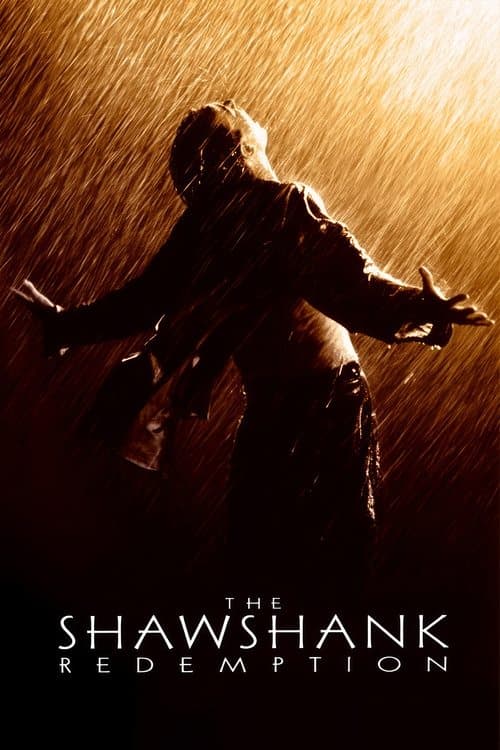
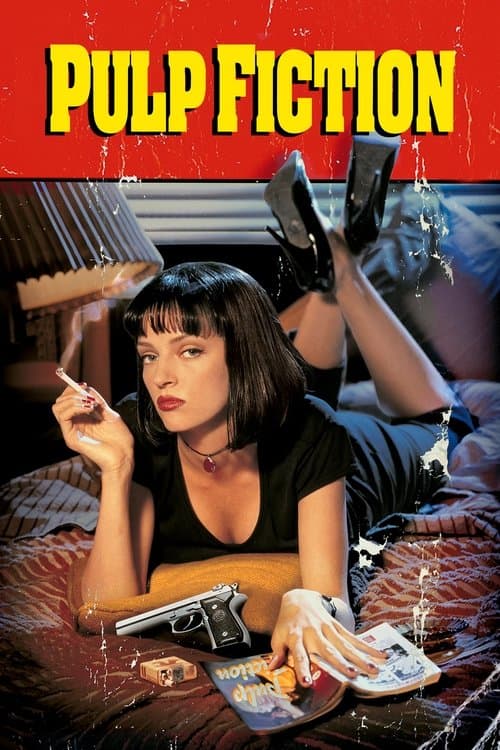
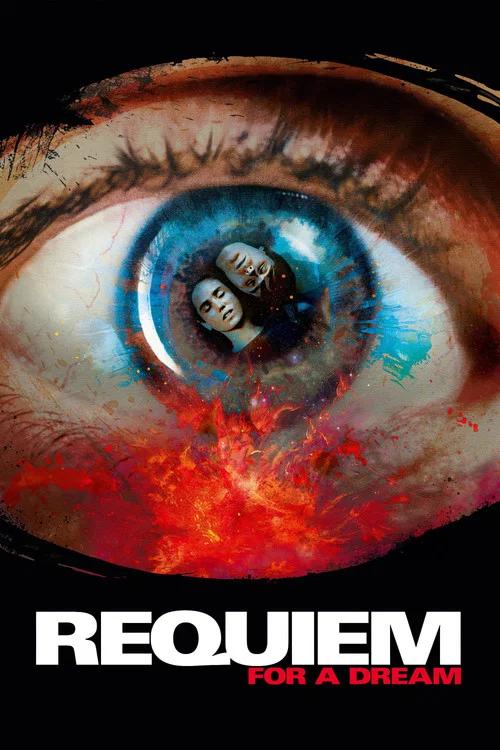
Films that share techniques with Bringing Out the Dead include Inception (2010), The Shawshank Redemption (1994), Pulp Fiction (1994), Requiem for a Dream (2000).