Science Fiction · Action

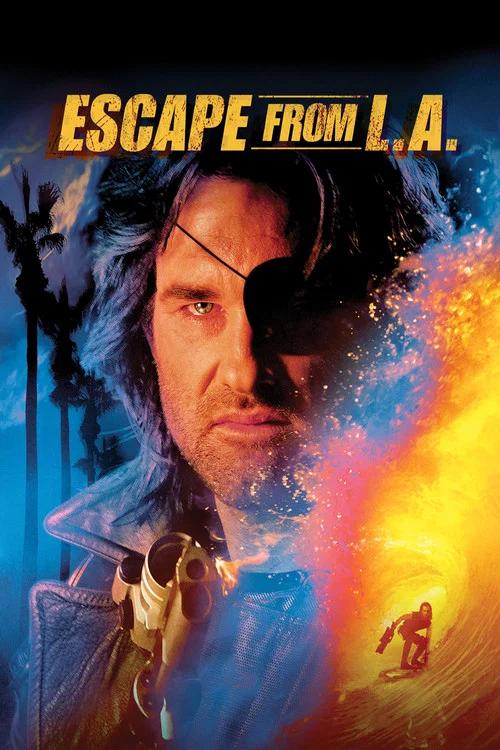
Escape from L.A.

John Carpenter, 1996

Snake Plissken is sent into a Los Angeles that has become an island prison, and he has 10 hours to bring back a stolen remote that controls a world-ending weapon. Worth watching for how Carpenter repeats his own earlier film and turns it into a louder, angrier joke.

Escape from L.A. (1996) poster

At a glance

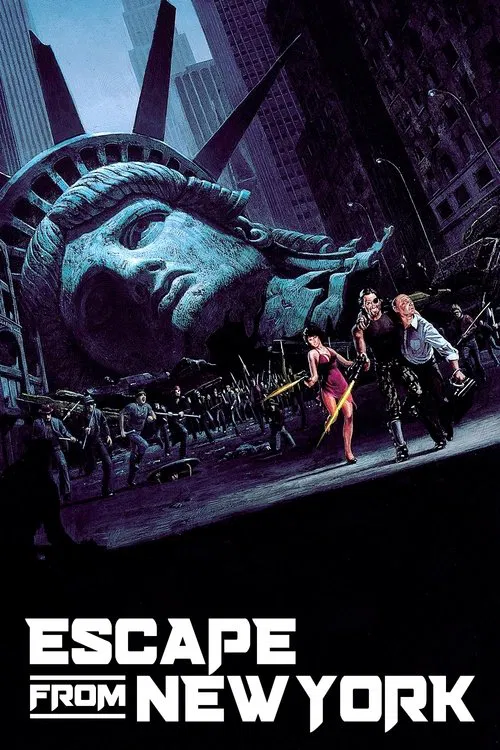
Escape from L.A. is a 1996 science fiction and action film directed by John Carpenter. This breakdown covers 4 techniques (2 narrative, 1 cinematography and 1 psychology), each with the scene where you can see it. If you like how it is made, Escape from New York uses several of the same techniques.

Narrative

Ticking Clock Structure

Building the story around a clear deadline the hero must beat. The time pressure and the obstacles grow with each scene until the climax.

How this film uses it

Snake is infected with a virus said to kill him in 10 hours, so the mission has a clear deadline. Each stop on the island steals more time, and the pressure rises with every new double-cross.

Where to see it

The deal: Snake is infected with the virus and promised a cure if he recovers the remote. He is sent to L.A. in a one-man submarine.
Narrative

Black Comedy as Political Weapon

Using absurd humor, farce and caricature to attack a political target. The jokes make the target look ridiculous and get past defenses that a serious argument would hit.

How this film uses it

The film imagines a President elected for life who bans smoking, alcohol, red meat and profanity. Those who break the rules are sent to L.A. or electrocuted. The jokes turn a powerful man into a figure of fun, and the tone is bitterly funny.

Where to see it

The new laws: after the earthquake, a theocratic candidate wins a lifetime term and moves the capital to Lynchburg. He enacts strict morality laws and sends violators to L.A. Island.

Cinematography

Ruined City as Stage

Dressing a recognizable modern city as a collapsed, walled-off ruin. Familiar landmarks make the damage feel close and the setting a warning.

How this film uses it

Los Angeles is cut off by an earthquake and flooding, and its famous places become a prison yard and a battlefield. You see a city you know turned into a trap. It gives the satire a real address.

Where to see it

The Happy Kingdom: Snake and his allies travel by glider to the invasion staging area at the Happy Kingdom in Anaheim.

Psychology

Opaque Protagonist

Writing a lead whose real motives stay hidden, even from the people closest to him. You judge him only by his actions, and some of them surprise you.

How this film uses it

Snake mumbles, sneers and keeps his reasons to himself. You do not know until the end whether he will help or betray anyone. His final act shows who he is.

Where to see it

The ending: Snake programs the real remote and triggers every satellite in the Sword of Damocles system. All technology on Earth shuts off, and he lights a cigarette and says, Welcome to the human race.

Questions

Escape from L.A.: quick answers

What filmmaking techniques does Escape from L.A. use?
CineCode breaks down 4 techniques in Escape from L.A. (1996): Ticking Clock Structure, Black Comedy as Political Weapon, Ruined City as Stage and Opaque Protagonist.
Who directed Escape from L.A.?
John Carpenter directed Escape from L.A., released in 1996. CineCode also covers Halloween (1978), The Fog (1980), Escape from New York (1981), The Thing (1982), Christine (1983), Big Trouble in Little China (1986).
What films are similar to Escape from L.A.?
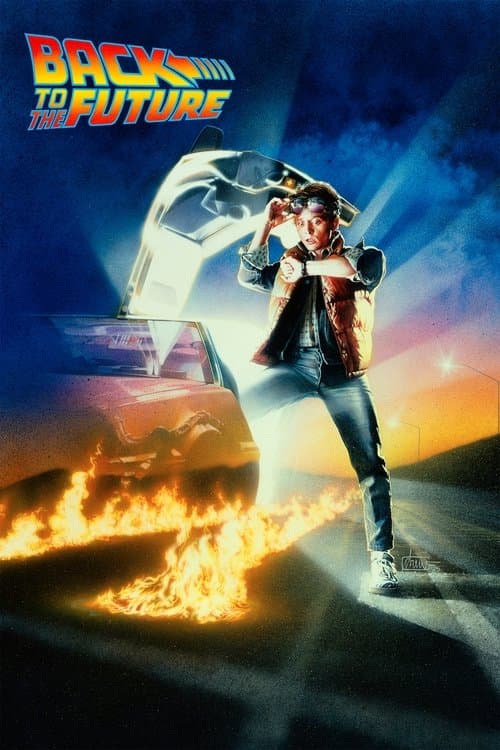
Films that share techniques with Escape from L.A. include Escape from New York (1981), Back to the Future (1985), Dr. Strangelove (1964), North by Northwest (1959).